
The EUIPO has announced today further details on the implementation of Phase 2 of its reform programme for EU designs, which is due to come into effect on 1 July 2026. This has provided much-needed guidance to registered design filers and practitioners ahead of the imminent changes.
As we discussed in previous articles, Phase 1 of the design reform came into effect on 1 May 2025, and brought changes such as dropping the “European Community” name, new legal definitions of the terms “design” and “product”, and fee changes. While certain details of Phase 2 have been known for some time, many practical changes due to take effect on 1 July 2026 were expected to be clarified only in the EUIPO’s Design Guidelines. The details released today provided a first look at these changes.
This article will cover the changes affecting the representations that are filed with the EU design application, although other guidance was provided affecting matters such as revocation actions and certain procedural matters.
Representation types
EU designs to date have only allowed registered designs to be represented using static images. This has been consistent with practice in much of the rest of the world. The EUIPO has confirmed, however, that it will now allow designs to be protected using static, dynamic and animated representations.
Each design may use only one of the three possible types of representation, meaning it is not possible to use a mixture of representation types. However, when filing a multiple design application, which may contain up to 50 different designs, each design may use its own representation type.
The EUIPO warned that dynamic or animated views may not be recognised for the purposes of claiming priority outside the EU, and so those looking to use the EU application as priority filing were advised to include a first filing using static representations.
The three representation types
The EUIPO confirmed some practical points on the use of static, dynamic and animated representations.
Static representations include one key change, which is an increase of the maximum number of representations allowed from seven to 10. This will be disappointing to many who had been hoping for more freedom in terms of the number of representations allowed. It also confirmed that each image must be submitted in JPEG file type and each image must be no more than 2 MB.
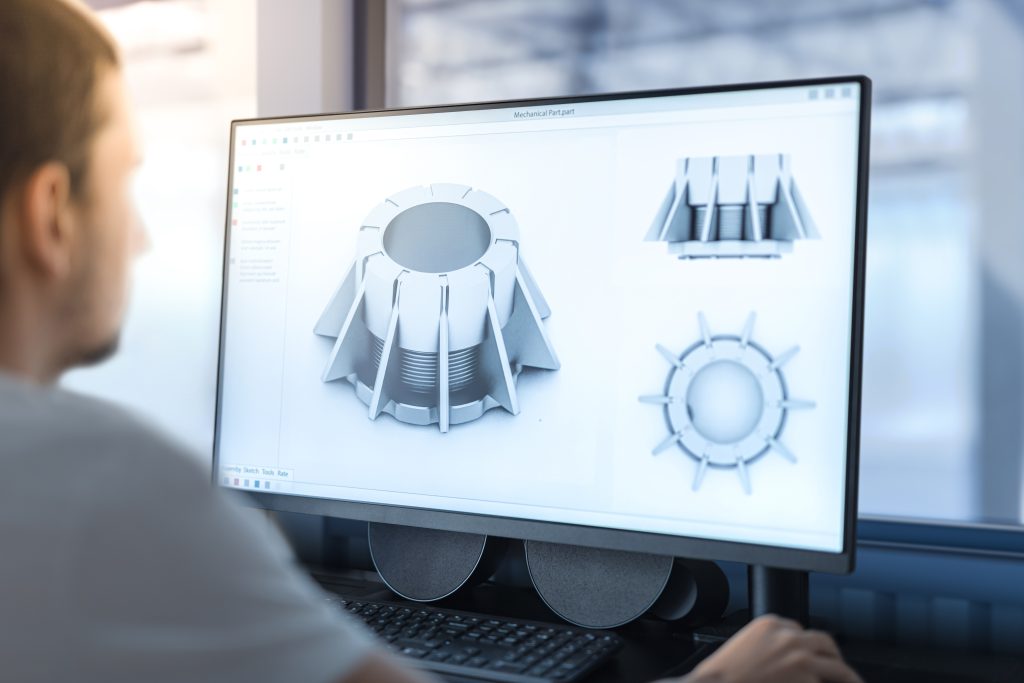
Dynamic representations are a new type of representation allowing CAD models to be used. The EUIPO confirmed that only one dynamic representation may be filed per design, and that the file types accepted are OBJ and STL, and the file size limit will be 20 MB.
Finally, animated representations will allow video files to be used, which addresses problems with the previous clunky system that allowed animations to be protected, but required these to be illustrated using no more than seven static views. Again, only one animated representation will be permitted per design, and the EUIPO will accept animations only in MP4 format, with a file size limit of 20 MB.
The EUIPO commented that animated representations should only be used where the animation is to form part of the protected design. It provided the example of a sofa bed that could be changed between two different configurations and noted that such a design would be unsuitable for representation using animation representations.
Representation contents
The requirements for designs to be represented against a neutral background, which already applies for static representations, will now also apply to dynamic and animated representations. Applicants will be permitted to file amended versions of the representations to remove a non-neutral background if an objection is raised.
The EUIPO also reiterated the requirement for visual disclaimers, meaning features intended to be excluded from protection must be shown directly in the representations. It was indicated that the recommendation for static representations will remain for broken lines to be used. However, owing to anticipated issues with consistently illustrating broken lines in dynamic and animated representations, other types of visual disclaimers such as colour shading or blurring may be more suitable for these representation types.
Amendment and alteration
Finally, the EUIPO confirmed that it will be possible to amend the filed representations, both before and after registration, but only in immaterial details. The “immaterial details” criterion is one that the EUIPO has already applied when assessing whether a design lacks novelty. In the example provided by the EUIPO, representations will differ in immaterial details only if the differences are so insignificant that they would normally pass unnoticed by an ordinary observer.
The new system represents a loosening of the previous strict approach to amending representations, which only permitted changes where proposed by the EUIPO, which in practice occurred very rarely. However, it remains to be seen how strictly the EUIPO will apply the “immaterial details” criterion, and whether this translates to more flexibility in practice.
We will provide further updates as Phase 2 of the reforms come into effect, so follow us on LinkedIn for more news. If you would like to discuss EU designs or have questions about design protection more generally, please contact your usual GJE attorney, or email gje@gje.com.
Related resources
EU design reform – Phase 2 details confirmed
In this article, we look at Phase 2 of the reform changes and what they mean for design...
European Union design reform and what it means for your business
Registered designs in the European Union (EU) are being reformed. The shape and timetable for implementing this is...
European Union design reform to apply from May 2025
Reform of European Union (EU) design law will apply from 1 May 2025 with national law changes needing...